Updated July 2026
You noticed the crack a few weeks ago. It's been slowly creeping across the glass, and now a question nags at you every time you get behind the wheel: can this thing actually break while I'm driving?
The short answer: yes, a cracked windshield can fail while driving, but not the way movies show it. Laminated windshield glass is engineered specifically so it will not explode into the cabin. What actually happens is less dramatic and still serious. Here is what the risk really looks like, what causes a crack to give way, and what to do about it.
Will a Cracked Windshield Shatter While Driving?
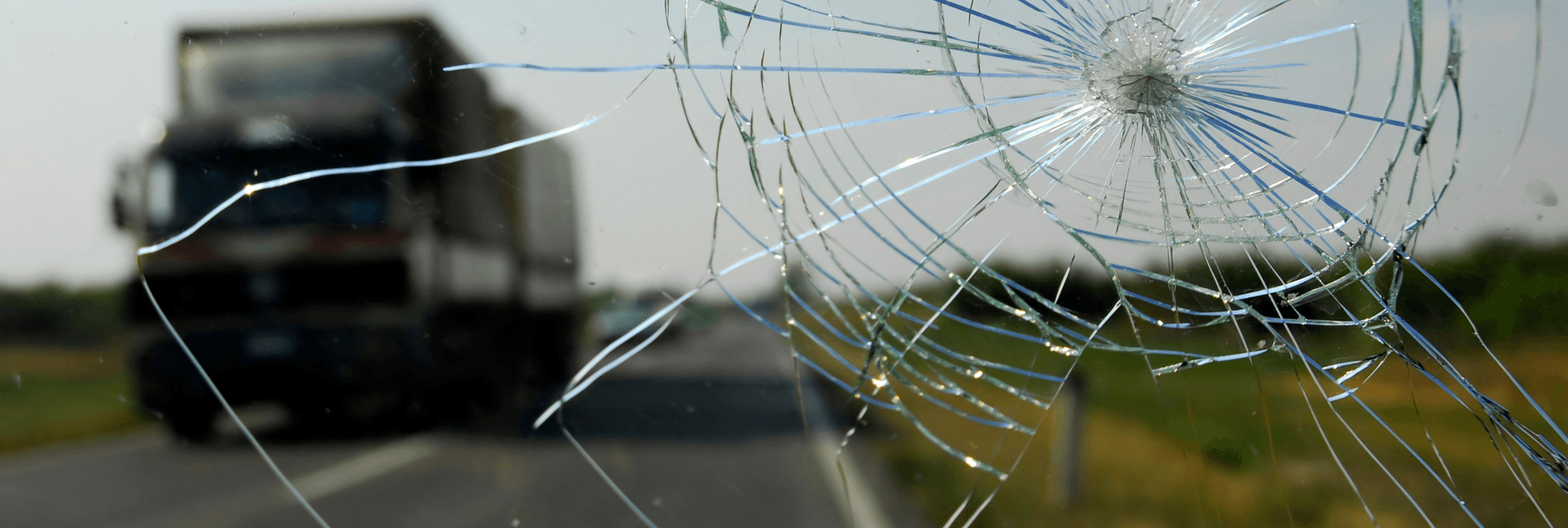
Your windshield is not a single pane of glass. It's a sandwich: two layers of glass bonded to a tough plastic interlayer of polyvinyl butyral (PVB). When the glass breaks, the fragments stay stuck to that plastic layer instead of raining into the cabin. This is why a badly damaged windshield "spiders" into a web of cracks while remaining in one piece.
So a cracked windshield will not suddenly shatter over your lap at 70 mph. What it can do is:
Crack further without warning. A hard bump, a temperature swing, or a door slam can send an existing crack running across your field of vision in an instant, which is dangerous at speed.
Lose structural strength. The windshield contributes to the roof's crush resistance in a rollover and serves as the backstop for the passenger airbag. A compromised windshield can fail to do either job in a crash.
Cave or collapse under impact. If something strikes the already-weakened glass (a rock, hail, a collision), the damaged area can push inward or sag, even though the PVB layer holds the pieces together.
Note the difference from your side windows: those are tempered glass, designed to shatter completely into small pebble-like pieces. Windshields are laminated precisely so that never happens in front of your face.
Is It Safe to Drive with a Cracked Windshield?
It depends on the damage, and the honest answer is "only briefly, and only in some cases."
A small chip or short crack outside your line of sight is generally safe for careful, short-term driving while you arrange a repair. You should not drive when:
The crack crosses the driver's side of the windshield or otherwise obstructs your view
The crack is long (roughly six inches or more) or actively spreading
The damage reaches the edge of the glass, where structural stress is highest
There are multiple cracks or a spidering pattern
Glass is visibly sagging, flaking, or distorted
Many states also regulate windshield damage. Cracks in the driver's viewing area can fail inspection or draw a citation depending on where you live, so check your state's rules. For a deeper look at this question, see our guide on driving with a cracked windshield.
What Causes a Cracked Windshield to Break?
Every mile you drive works on an existing crack. The main forces:
Road vibration and impacts.
Potholes, speed bumps, and rough pavement flex the glass. Each flex extends the crack slightly.
Temperature swings.
Glass expands and contracts. Blasting the defroster on a frozen windshield, or full AC on sun-baked glass, stresses the damaged area unevenly. This is why cracks often run on the first cold morning of the season.
Wind load at speed.
Highway driving pushes constant air pressure against the glass. A crack, especially near the edge, concentrates that stress.
Moisture and dirt.
Water works into the crack and expands when it freezes, prying the layers apart. Debris in the crack does the same and also ruins the odds of a clean resin repair later.
Body flex.
The windshield is bonded to the vehicle frame, so cornering, uneven pavement, and even parking with one wheel on a curb transfer chassis stress directly into the glass.
Cracks near the edge of the windshield and long cracks are the most likely to fail, because edge glass carries the most structural load.
What to Do If Your Windshield Breaks While Driving
If a crack suddenly runs or the glass caves while you're on the road:
Stay calm and keep your eyes on the road through the clearest section of glass.
Slow down gradually, signal, and pull over somewhere safe.
Do not punch out or push on the damaged glass. The PVB layer holding it together is what's protecting you.
If the damage came from a collision or caused an injury, call emergency services.
Do not keep driving on a caved or badly spidered windshield. Arrange a tow or use mobile auto glass service, which can replace the windshield where your car sits at many locations.
How to Keep a Crack from Becoming a Break
Prevention buys you time, but only repair removes the risk:
Fix chips immediately. A fresh chip is a fast, inexpensive resin repair; a spread crack usually means full replacement. Our guide on stopping a windshield crack from spreading covers the stopgaps.
Keep your distance from trucks and gravel haulers, and slow down on gravel or debris-strewn roads.
Avoid temperature shocks: warm the cabin gradually in winter, never pour water on icy glass, and park in shade or a garage when you can.
Drive gently over potholes and speed bumps, and close doors without slamming.
Replace worn wiper blades before the exposed metal scratches the glass.
Frequently Asked Questions
Can a windshield crack suddenly get worse while driving? Yes. A crack can sit stable for weeks and then run several inches in a second when the glass hits the right combination of bump, flex, and temperature. That unpredictability is the real danger, since it can happen across your line of sight at speed.
Will glass fall into the car if the windshield breaks? Almost never with a windshield. The laminated PVB interlayer holds the broken glass in place. Loose fragments are more common with side and rear windows, which are tempered glass designed to break into small granular pieces.
Can a badly cracked windshield be repaired, or does it need replacement? Resin repair works on small chips and short cracks caught early. Long cracks, edge cracks, multiple cracks, or damage in the driver's line of sight call for replacement. On vehicles with camera-based driver assistance features, replacement should include ADAS recalibration so lane keeping and emergency braking systems work correctly with the new glass.
Does insurance cover a windshield that breaks while driving? Usually, under comprehensive coverage. Depending on your state and policy, glass claims may carry a reduced or zero deductible. Auto Glass Now can handle the claim paperwork with your insurer for you.
Don't Wait for the Crack to Decide for You
A cracked windshield rarely fails at a convenient moment. Repairing a chip today is fast and inexpensive; replacing a windshield after the crack runs is still easy with same-day and next-day appointments, a lifetime warranty, and a price match guarantee at Auto Glass Now. We offer professional windshield repair and windshield replacement, with insurance claims managed for you.
Find an Auto Glass Now location near you or get a free online estimate today.